Case Study
Trail Cam Trophy
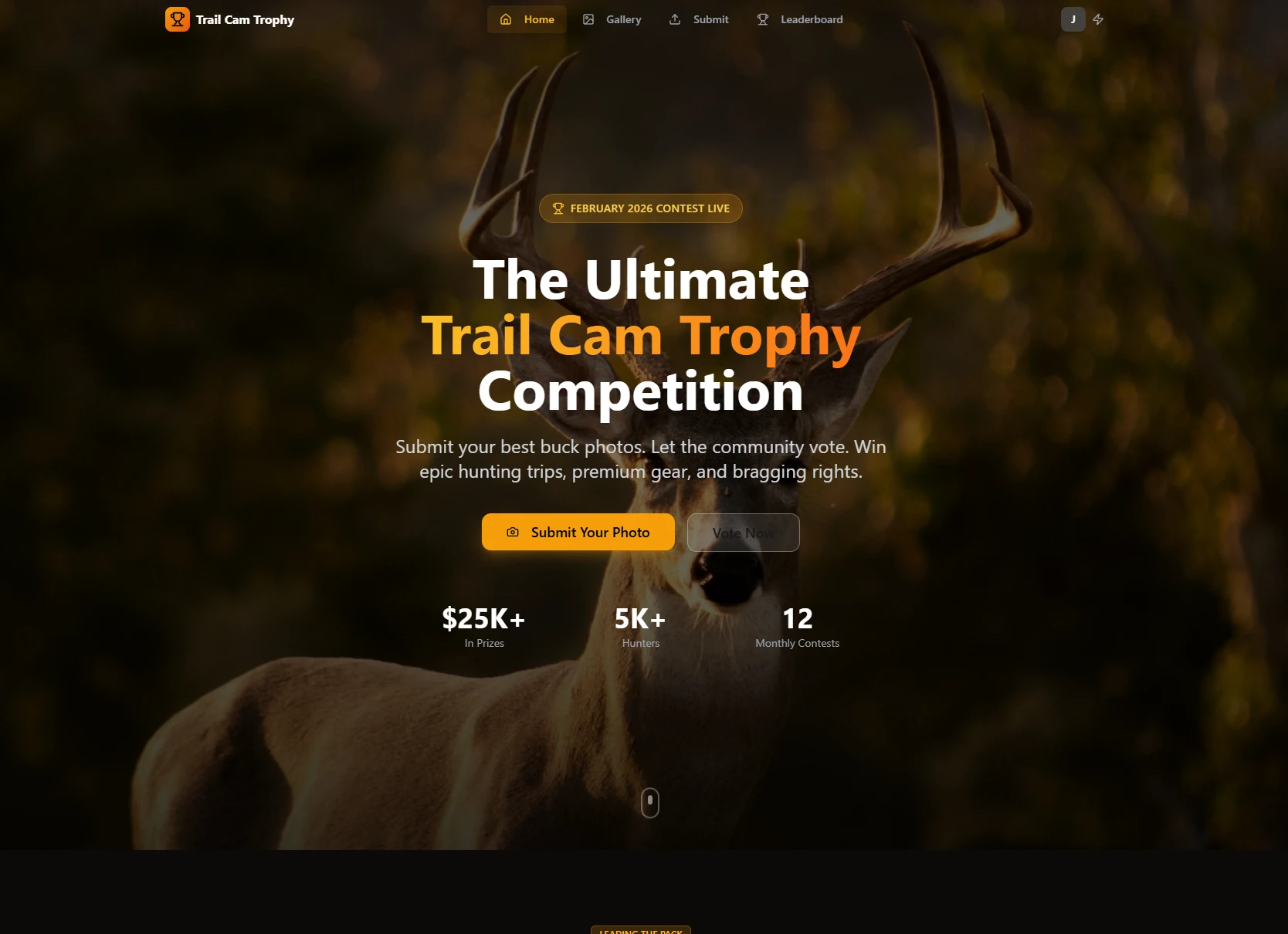
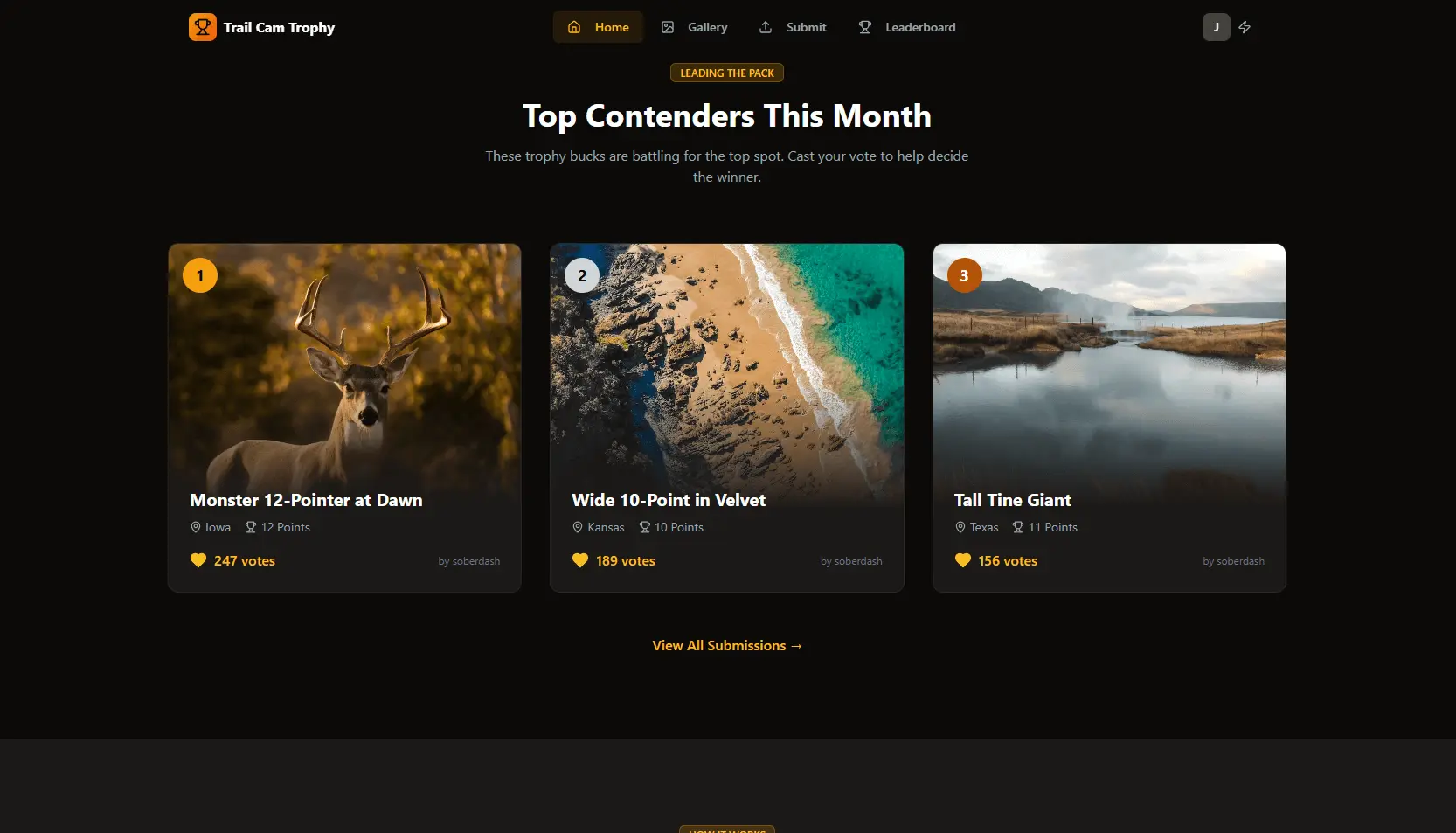
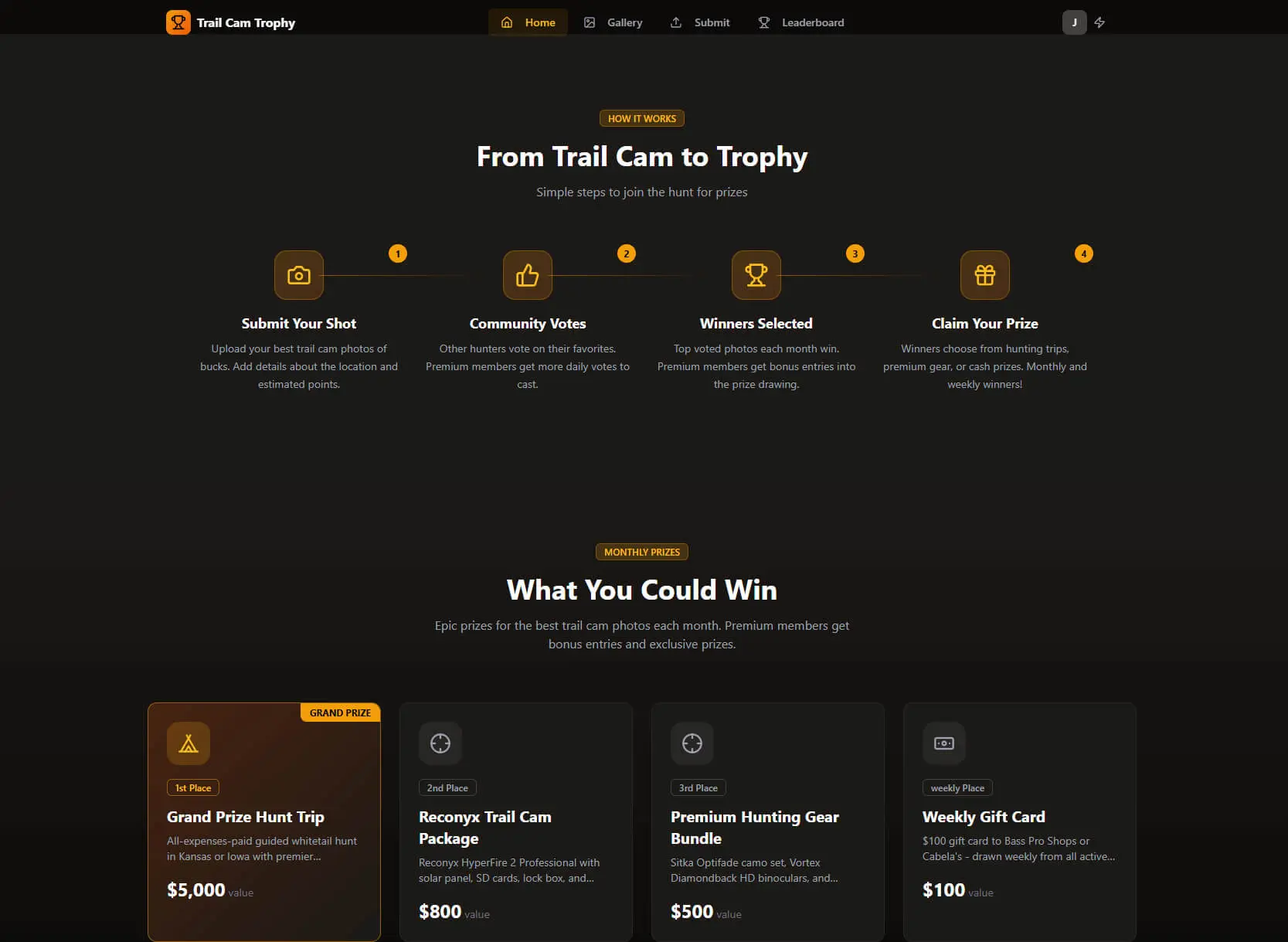
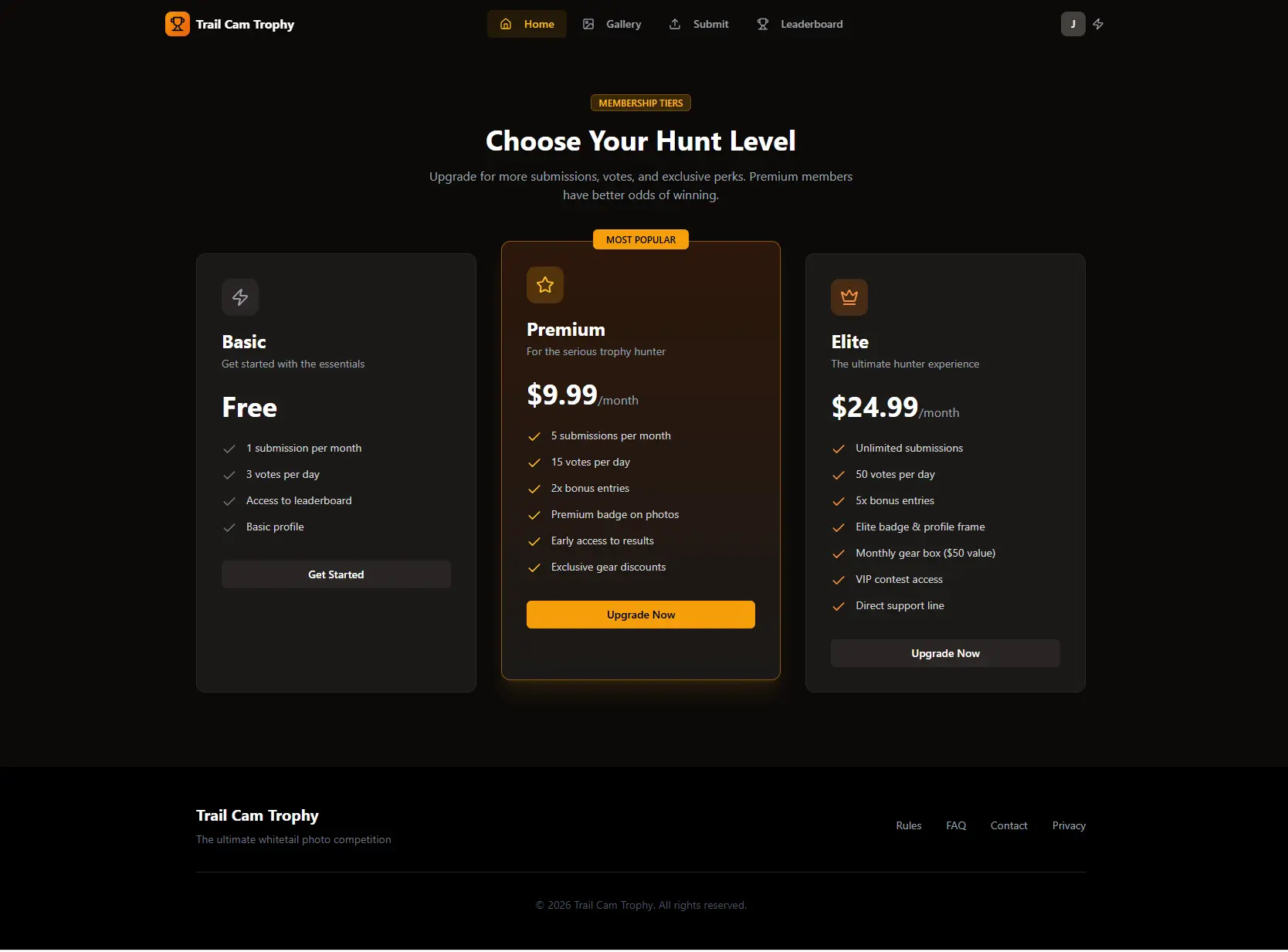
Design Process
1
Conducted ethnographic research with 40+ hunters to understand their trail cam rituals and sharing behaviors
Analyzed competitor platforms in outdoor recreation and social gaming spaces
3
Created detailed user personas representing different hunter archetypes (trophy hunters, wildlife enthusiasts, casual hunters)
4
Developed user journey maps for key flows: photo upload, voting, contest entry, and prize redemption
5
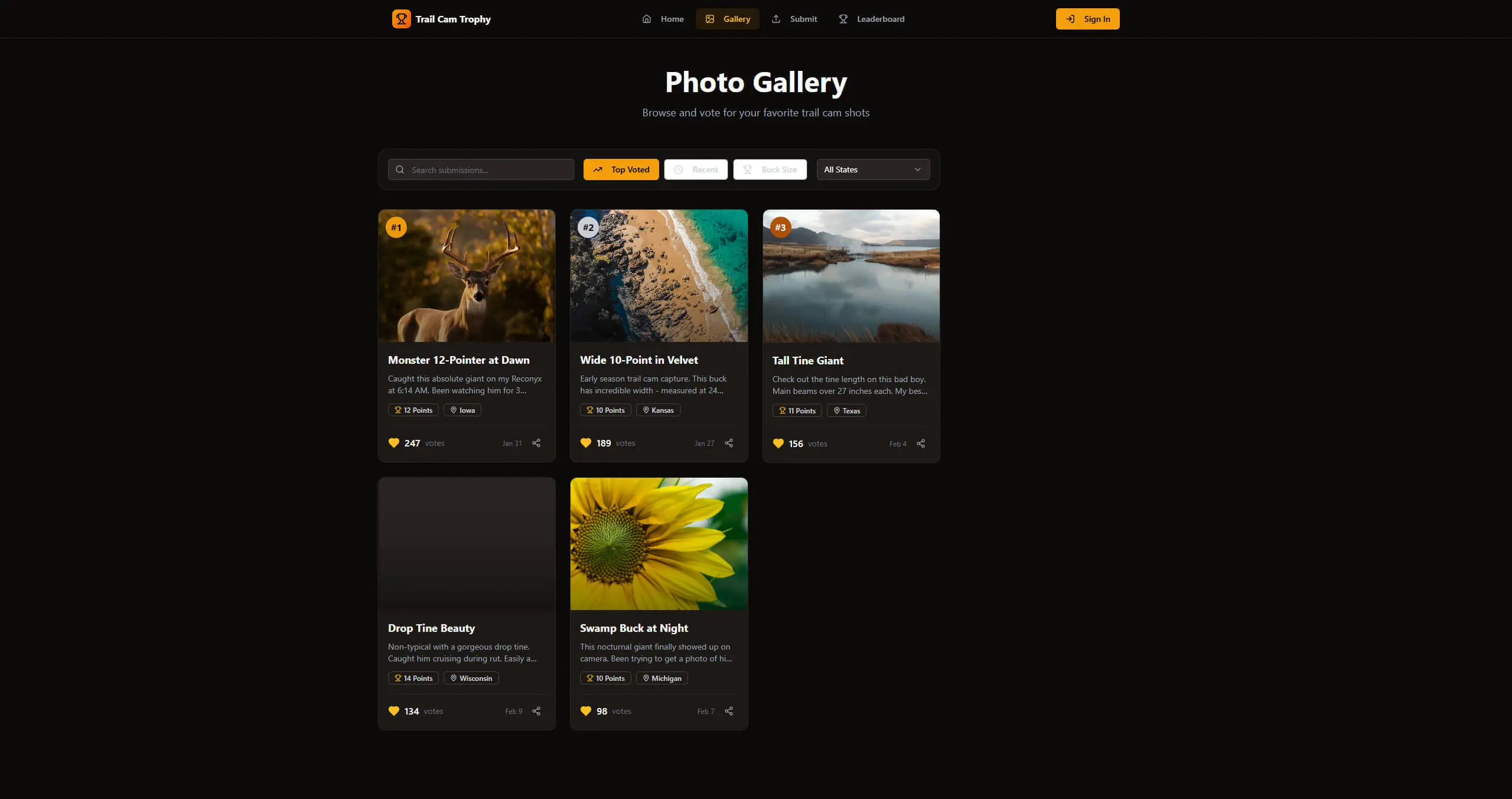
Designed low-fidelity wireframes focusing on photo-first content hierarchy and simple voting interactions
6
Built interactive prototypes with voting animations and contest countdown timers for user testing
7
Conducted usability testing with 15 hunters, iterating on feedback about contest discovery and voting fatigue
8
Created a comprehensive design system with outdoor-inspired colors, hunting-themed iconography, and mobile-first componentsships
9
Designed admin dashboard for content moderation, contest management, and prize distributionps
10
Developed onboarding flows that educated users on voting systems, contest rules, and community guidelines
11
Collaborated with developers on gamification features including badges, streaks, and reputation systems
12
Implemented analytics to track engagement metrics, voting patterns, and conversion to premium memberships
My Approach & Contributions — Trail Cam Trophy App
Trail Cam Trophy began as a concept to solve a common problem for hunters and wildlife enthusiasts: organizing large volumes of trail camera photos and turning them into meaningful insights about animal behavior. Many hunters rely on multiple trail cameras but lack a centralized system to analyze patterns, identify mature bucks, and manage wildlife data across properties. The goal of the app was to transform scattered trail camera images into a structured digital platform that helps hunters make smarter decisions about scouting, timing, and herd management.
Product Vision & Idea Development
The initial idea for Trail Cam Trophy came from recognizing how fragmented trail camera management typically is. Hunters often rely on memory cards, cloud folders, or messaging threads to store thousands of photos without any real system for organizing or analyzing them. Trail Cam Trophy was envisioned as a mobile-first solution that could serve as a centralized wildlife intelligence tool, allowing users to upload trail camera photos, tag animals, track movement patterns, and build a historical record of activity across multiple camera locations.
The product vision focused on simplifying data management while giving users meaningful insights into animal behavior, seasonal patterns, and trophy tracking. By organizing photos by location, time, and species, the app helps hunters identify when mature animals are active and how their movement shifts throughout the season.
UX Strategy
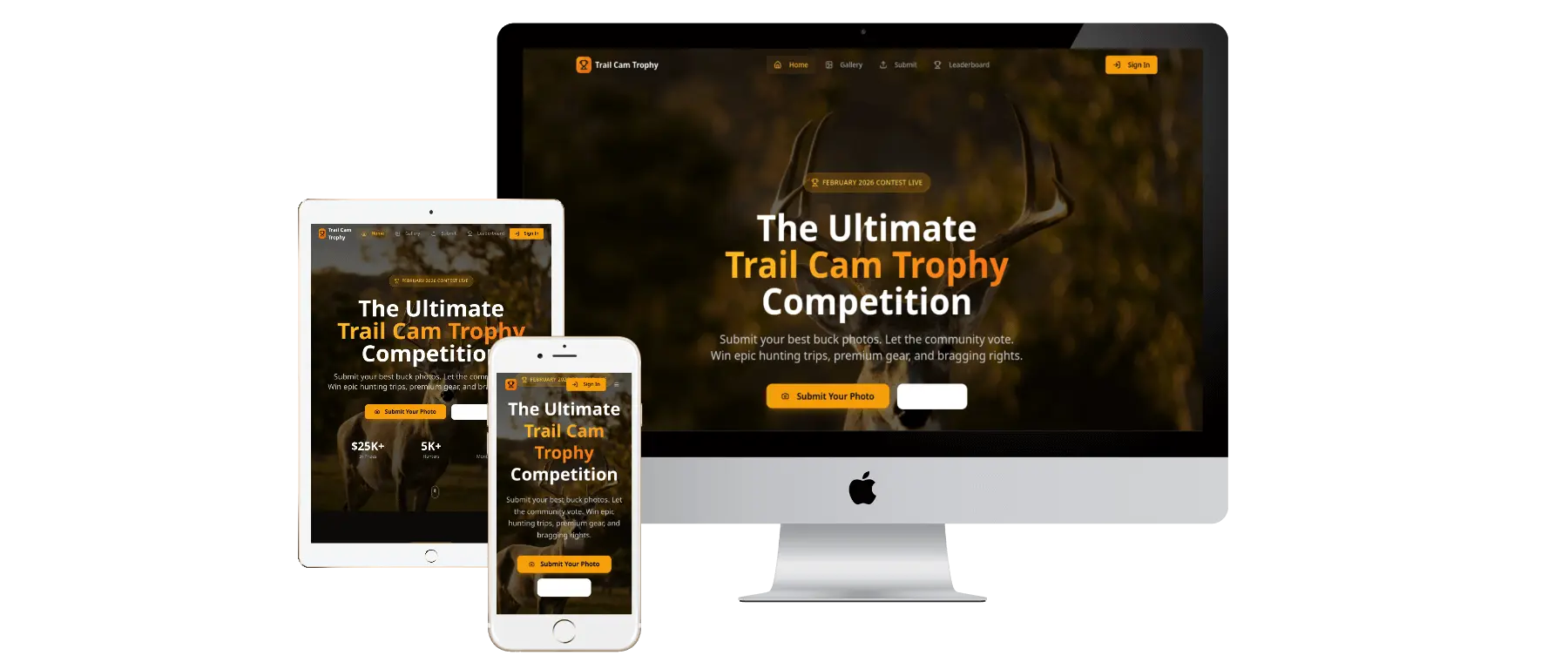
The UX strategy focused on designing an experience that mirrors the natural workflow of hunters in the field. Rather than building a complicated analytics platform, the design prioritizes speed, simplicity, and clarity.
Key UX principles included:
Fast photo uploads from trail cameras
Simple tagging and classification of animals
Location-based camera organization
Visual timelines of wildlife activity
Quick identification of target animals
The interface was designed to minimize friction when logging sightings or reviewing camera activity. Hunters often check trail cameras quickly between work, scouting trips, or hunting sessions, so the experience needed to be intuitive and mobile-friendly with minimal input steps.
UX Design Process
The design process focused on building a clean and functional interface that supports both casual hunters and more serious wildlife managers.
Key design elements included:
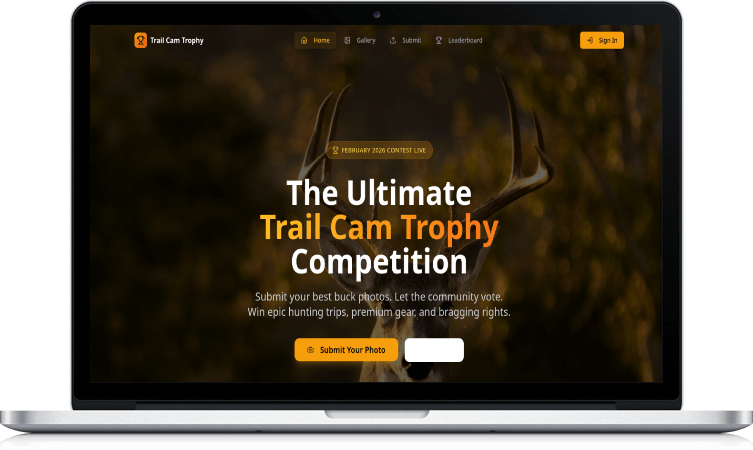
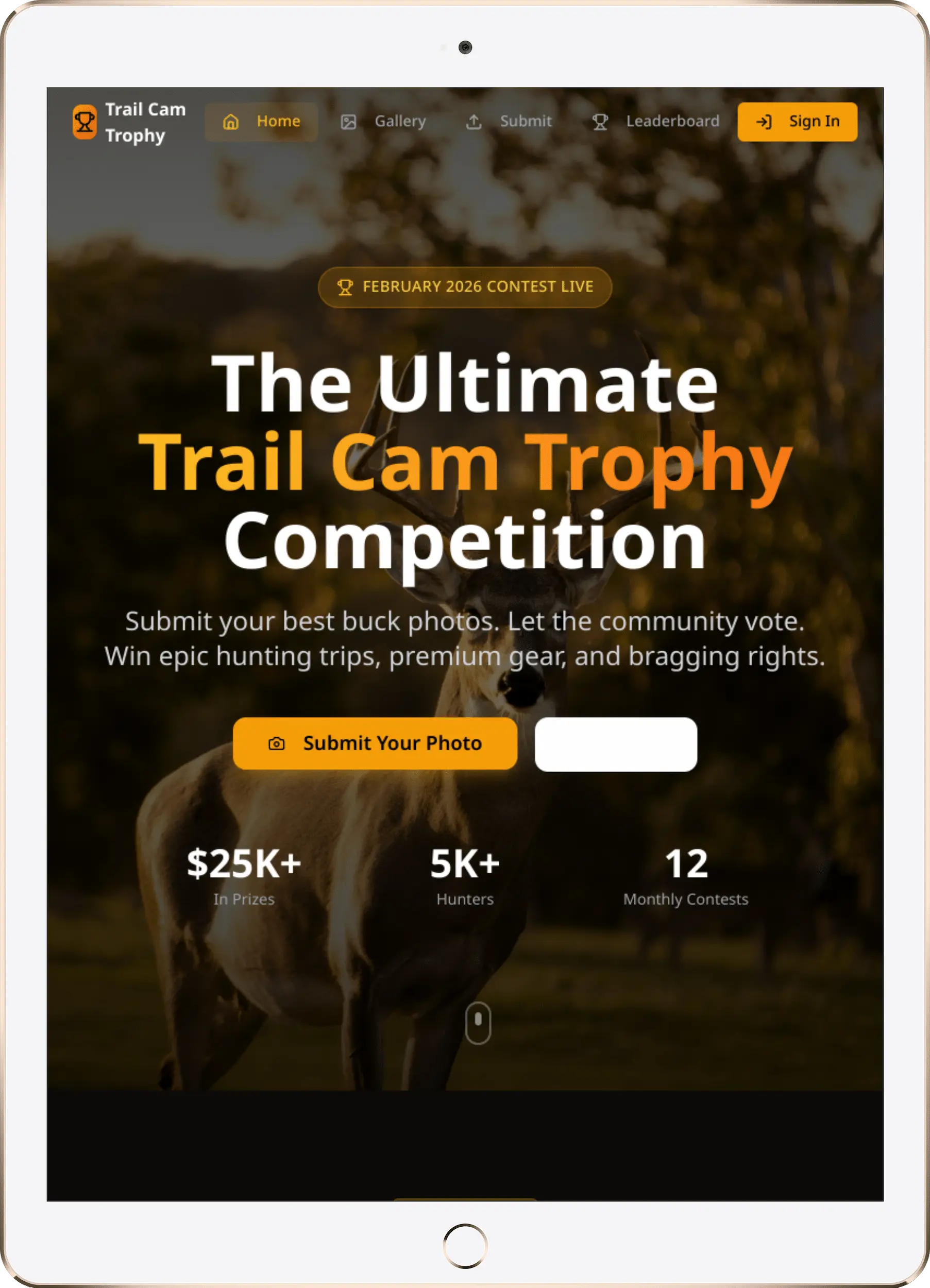
Photo-Based Interface
Images serve as the core of the experience, allowing users to browse wildlife activity visually rather than relying on text-heavy logs.
Camera Location Mapping
Users can organize trail cameras by property or GPS location, helping them understand movement patterns between areas.
Animal Tagging System
A tagging system allows hunters to label animals by species, gender, or nickname (such as naming specific bucks).
Activity Timeline
A timeline view helps users track when animals appear most frequently and identify peak activity periods.
Trophy Tracking
Users can flag potential trophy animals and monitor repeat sightings across multiple cameras and dates.
User Research
User research focused on understanding how hunters currently manage trail camera data and what frustrations exist in the process.
Interviews and conversations with hunters revealed several common challenges:
Photos are often stored in multiple places such as SD cards, cloud folders, or text messages.
Identifying the same deer across multiple cameras can be difficult without consistent tagging.
Many hunters want to track animal patterns over multiple seasons but lack a structured system.
Existing trail camera apps tend to focus on camera hardware management, not wildlife analytics.
These insights helped shape a product that focuses less on camera control and more on wildlife data organization and pattern tracking.
Market Analysis
The trail camera and hunting technology market has grown significantly in recent years as outdoor enthusiasts adopt digital tools for scouting and wildlife monitoring.
Key industry statistics highlight the opportunity for a platform like Trail Cam Trophy:
The global trail camera market is estimated to exceed $120 million annually, with steady growth driven by hunters and wildlife researchers.
Over 15 million hunters in the United States use scouting tools such as trail cameras.
Many hunters deploy multiple cameras per property, often ranging from 3 to 10 units.
Modern cellular trail cameras can generate thousands of images per season, creating a need for better organization and analysis tools.
The outdoor recreation economy contributes over $450 billion annually to the U.S. economy, with hunting technology becoming a growing segment.
As trail cameras become more affordable and widely used, the volume of wildlife data continues to grow. This creates a strong opportunity for software platforms that help users manage, analyze, and interpret that data effectively.
Impact & Product Value
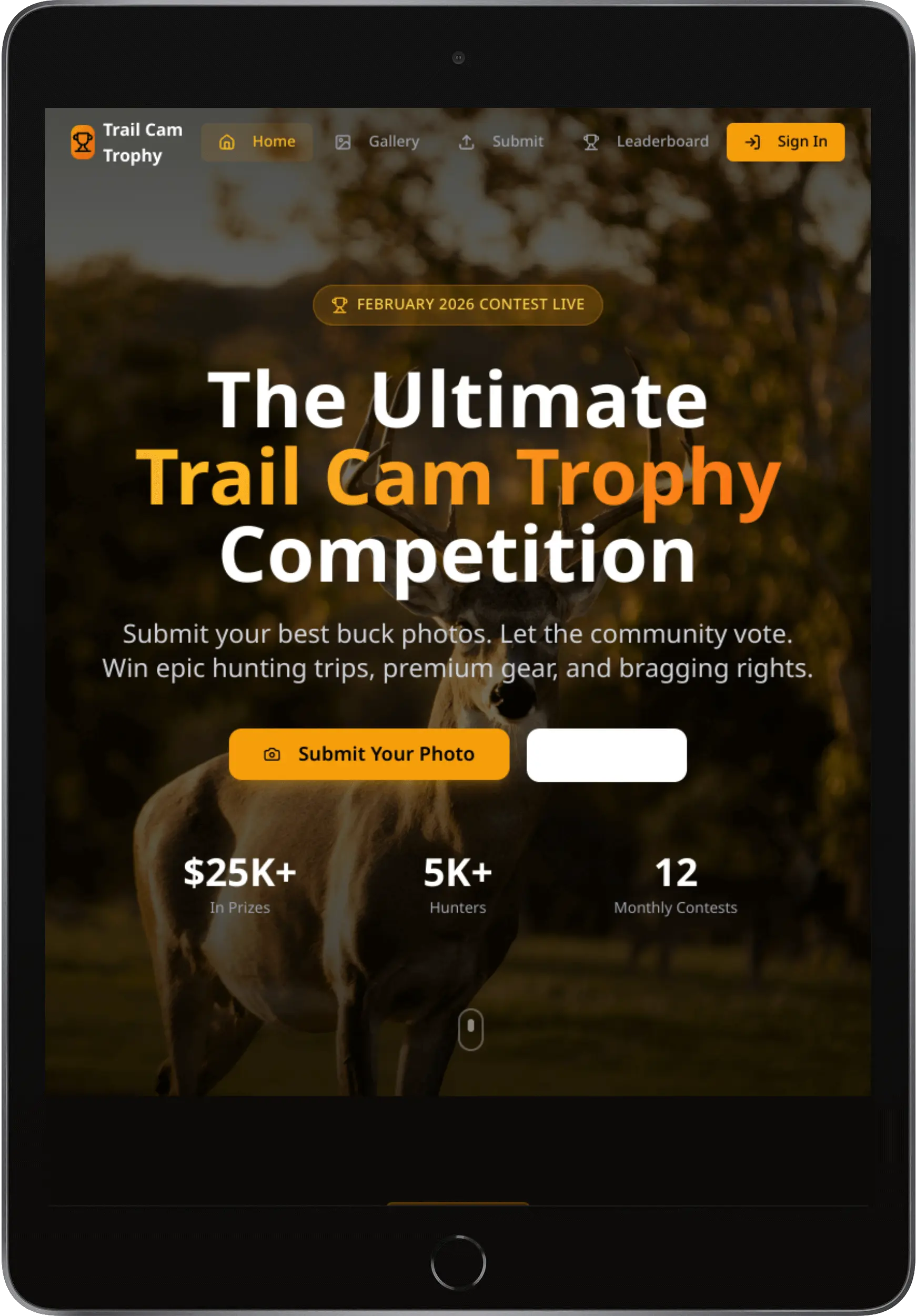
Trail Cam Trophy was designed to bridge the gap between raw wildlife imagery and actionable insights. By giving hunters a structured way to manage trail camera data, the app helps users better understand animal movement, track trophy animals across seasons, and make more informed decisions in the field.
The product demonstrates how thoughtful UX design can transform a traditionally manual process into a modern digital experience. Through clear information architecture, visual data organization, and field-focused usability, Trail Cam Trophy turns trail camera photos into a powerful scouting and wildlife management tool.
The Results